

Private Liquidity: Ethereum's Most Understudied Layer
Content
Introduction
The increasing share of trades executed through DEX aggregators has significantly changed the rules of the game, allowing DEXs to focus on providing the most competitive exchange rates rather than attracting users to their UI. This has led to the emergence of a new generation of DEXs with complex invariants, such as Fluid, Ekubo, Euler, and others. At the same time, even a marginal improvement in the exchange rate over a competitor allows to capture his order flow, which has led to a significant decline in the dominance of veterans such as Uniswap, Curve or Balancer.
At the same time, Jupiter's undisputed dominance on Solana, coupled with a cheap blockchain environment with high throughput, has led to the rise of “proprietary” or “dark” AMMs — a radical form of DEXs without their own UI, focusing solely on providing liquidity for sophisticated players such as DEX routers or MEV bots. In September 2025, trading volume through prop AMMs, with HumidiFi, SolFi, and Tessera accounting for the largest fraction, exceeded trading volume through traditional AMMs for the first time, showing multiple growth from a 7% share in October 2024.
Despite the unique features of Solana and its MEV landscape, the rapid growth of private liquidity there raises questions about the current and future state of similar protocols on Ethereum, where DEX aggregators have accounted for approximately 25-30% of volume over the past six months. In this paper, we'll examine the current state of private liquidity on Ethereum,represented by Private Market Makers (PMMs), as well as the possible evolution of private liquidity in the context of Router-Private Liquidity tandems, given the high fragmentation of volumes among DEX aggregators.
How Does Private Liquidity Look on Ethereum
In order to understand how prop AMMs work on Ethereum, it is essential to examine their operating principles in more detail. Prop AMMs calculate the exchange rate for each swap on-chain using a bonding curve, which is determined based on the smart contract's inventory and external parameters that are constantly updated by the manager. The formula for calculating the bonding curve, as well as the liquidity for prop AMMs, is provided by professional market makers. The reason for Solana-specificity lies in cheap computations and short blocks, which allow the current price on external markets to be transmitted to the pool often enough. However, even on Solana, updating prices for prop AMMs costs several thousand dollars daily, which would make such a design completely unfeasible on Ethereum.
Due to expensive gas and long blocks, market makers on Ethereum continuously calculate exchange rates completely off-chain and are called Private Market Makers (PMMs). Like prop AMMs, PMMs do not have their own swap UI and receive all order flow from off-chain interactions with various sophisticated entities, which then settle transactions on-chain. Due to this exchange rate calculation mechanism, it is difficult for market makers to account for the current inventory status, which requires them to make certain assumptions about the order flow structure. Therefore, PMMs are highly sensitive to the share of toxic transactions and typically have a strictly limited list of contracts and transaction senders that can use their liquidity.
Private Market Makers on Ethereum
Compared to Solana, the share of volume passing through PMMs on Ethereum is significantly lower than that of classic DEXs, falling from 35.8% in April 2020 to 11.6% in September 2025. This decline is driven by the significant evolution of DEXs beyond the classic Constant Product AMM (CPAMM) through the adoption of concentrated liquidity. Nevertheless, for almost the entire period, the average swap volume through PMMs was higher, exceeding the average volume through traditional DEXs by 3.8 times in September 2025, which clearly demonstrates dominance in large swaps.
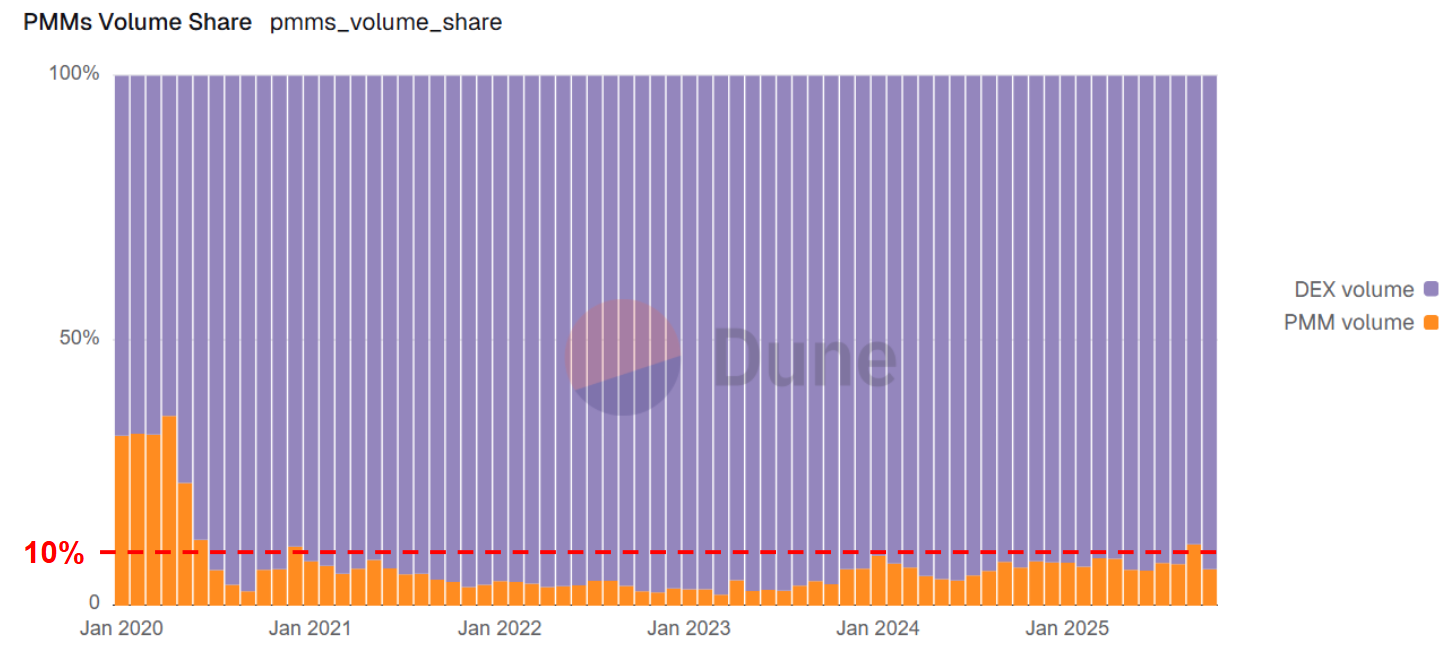 Figure 1. Monthly DEX volume share on Ethereum by liquidity type.
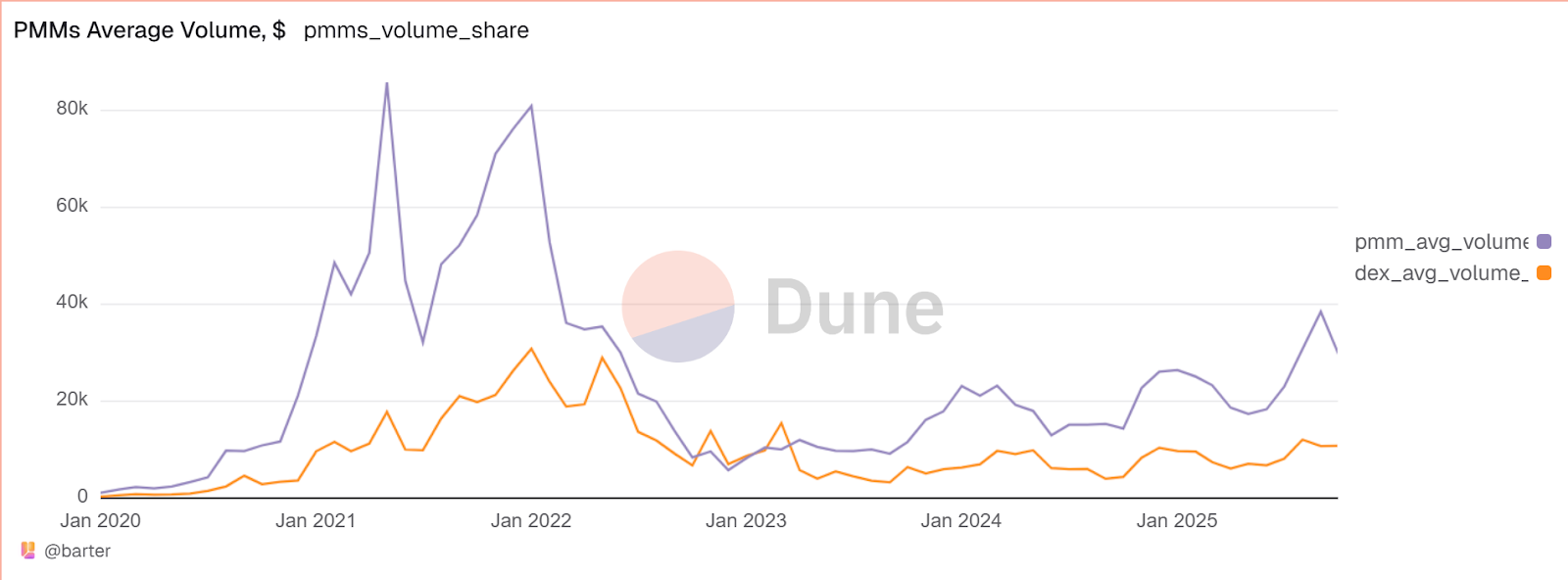 Figure 2. Monthly DEX average swap volume on Ethereum by liquidity type.
PMM liquidity can be utilized through one of three pathways: RFQ DEXs, limit order protocols, and exclusive direct integrations (1inch Fusion, Uniswap X, etc.). RFQ DEXs aggregate quotes from multiple PMMs into price levels, similar to an order book. DEX aggregators, solvers, and other entities request price levels using the RFQ API to subsequently obtain a signed quote from the market maker, specifying the exchange rate, deadline, and number of tokens to be swapped. Limit order protocols are essentially a simplified analogue of RFQ DEXs, where PMMs can continuously publish and delete orders accessible via the protocol API, thereby determining the price at which the market maker is willing to exchange their tokens. As with RFQs, such orders can be used by DEX routers as liquidity instead of traditional DEXs. Direct integrations via off-chain auction protocols, such as 1inch Fusion and Uniswap X, differ from the first two in that here, the market maker is usually being the solver itself, constantly looking through available user orders and filling them if the price and pair satisfy the strategy selected by the PMM. In the case of such integration, the market maker does not broadcast its quotes to the external parties, receiving order flow directly from the traders.
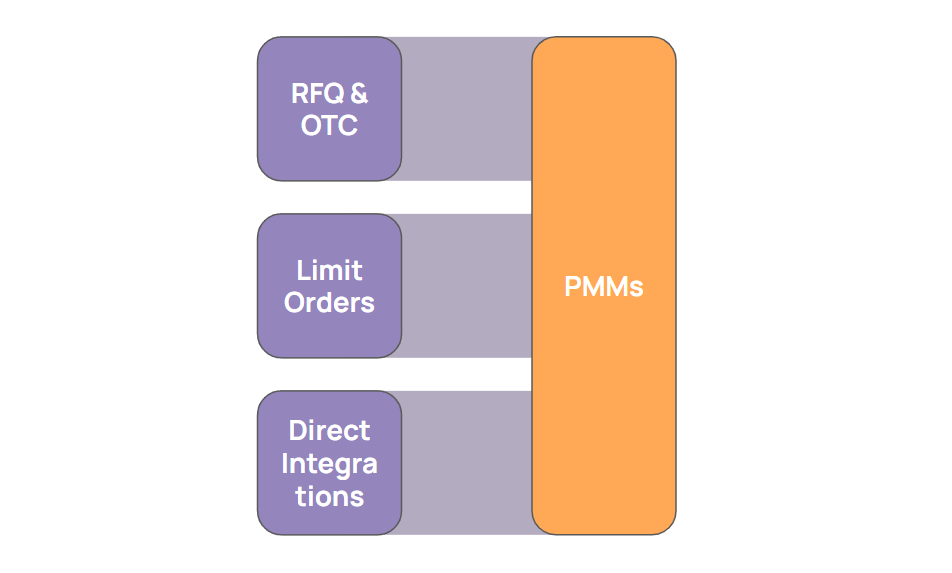 Figure 3. PMMs’ orderflow sources.
Limit orders placed by PMMs were the first way to interact with private liquidity and remained effectively the only way until 2021, allowing aggregators to read the order book and use suitable orders. However, in January 2021, with the launch of Tokenlon and the imminent release of 0x V4, RFQ dominance in PMM flow reached 25.7% and quickly increased to 85%. The emergence of Uniswap X and 1inch Fusion subsequently allowed PMMs to attract more order flow, which significantly affected overall volumes, and since October 2023, from 13% to 53% of the volume has come from direct integrations. Overall, despite a relatively small share of total trading volume on Ethereum, the volume of swaps using PMM liquidity has grown exponentially over the past year, reaching $12.5 billion in September 2025.
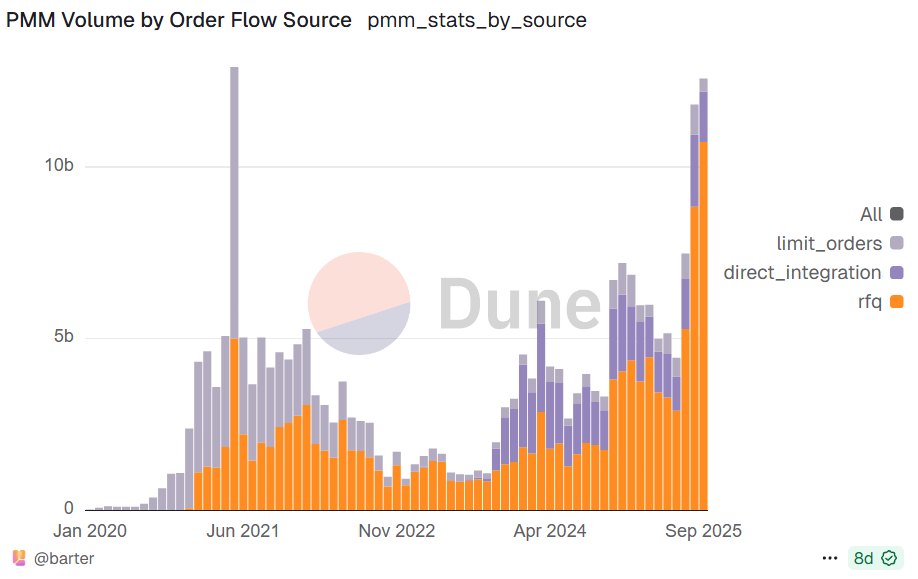 Figure 4. Monthly PMM volume by oderflow source.
Private liquidity now accounts for more than 300k swaps per month. Meanwhile, limit orders, accounting for only 3% of the volume, are responsible for 25% of all swaps through PMMs in September 2025, with an average volume of $4.7k. In contrast, RFQs and order fills on Uniswap X and 1inch Fusion are concentrated on large swaps with average volumes of $60.8k and $22.8k, respectively, demonstrating the superiority of PMM liquidity over classic DEXs on large swaps.
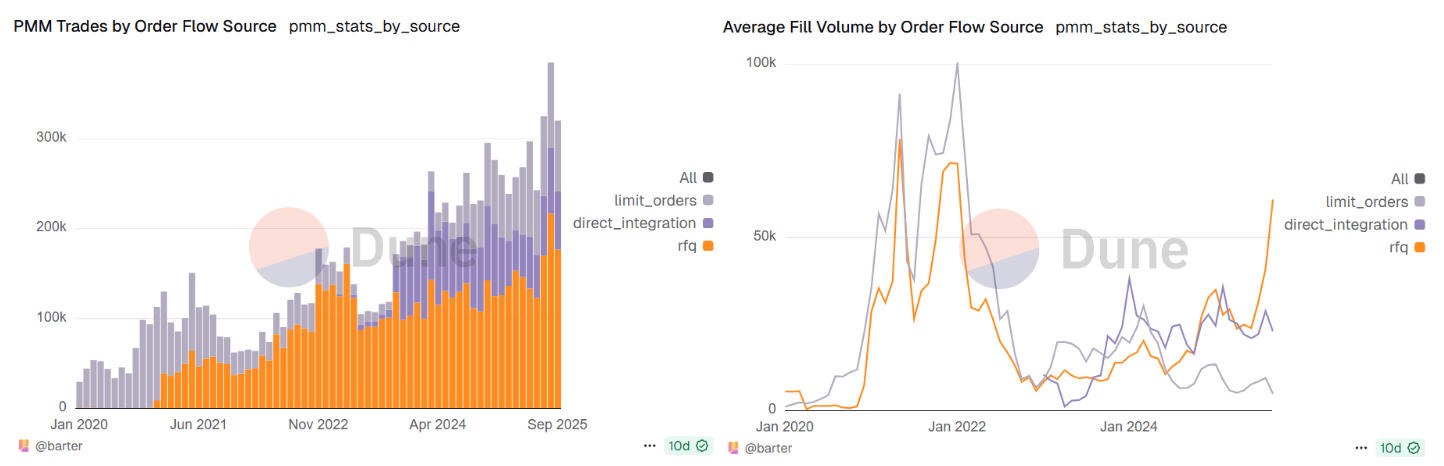 Figure 5. Monthly PMM trades number (left) and average fill Volume (right) by oderflow source.
As for specific market makers providing liquidity, their number soared from 42 to a peak of 474 in February 2021, following the release of 0x V4, which attracted many new players to the market. After that, most participants were pushed out by professional market makers, which led to the formation of an oligopolistic market where, as of September 2025, four market makers — Wintermute, Symbolic Capital Partners (SCP), Native, and 0xbee...000 — account for 95.3% of the total trading volume. Native stands out among them, increasing its share from 1.1% to 19.8% in two months, significantly reducing SCP's share. Moreover, Native allows external LPs to deposit funds in Credit Vault, which is then used by market makers, thus acting as a full-fledged analogue of traditional AMMs. However, it is important to note that Native itself is not a complete market maker, only attracting liquidity for market makers.
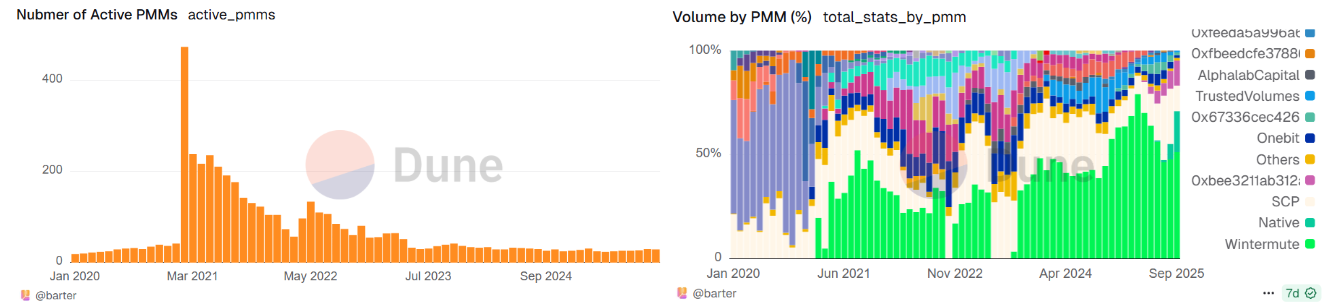 Figure 6. Unique active PMMs (left) and monthly PMM volume by market maker(right).
Since the largest fraction of volume is concentrated in RFQ platforms, which also have the highest average fill volume, it is worthwhile to examine them in depth. The first RFQ platform was Airswap, but it did not gain much traction. The pioneers of fully functional RFQ platforms were Tokenlon and 0x V4, which, compared to V3, introduced a clear separation of fill types into OTC, RFQ, and Limit, as well as Hashflow, which launched in January 2022. However, the real heyday of RFQ occurred in November 2024, when the monthly volume of Bebop, an RFQ DEX incubated by Wintermute, skyrocketed from $770 million to $2.2 billion, after which Bebop's dominance remained stable at 60-80% until the launch of Native in May 2025, which significantly reduced Bebop's dominance in a few months by attracting new orderflow in September 2025, reaching $2.7 billion in monthly volume and becoming the second largest RFQ DEX.
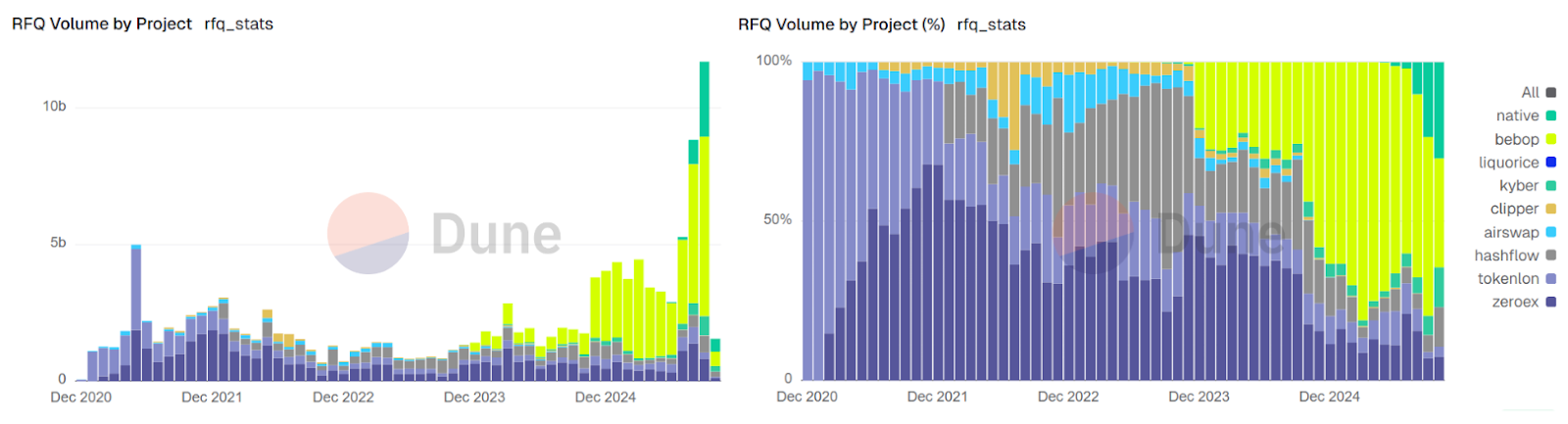 Figure 7. Monthly RFQ volume (left) and RFQ volume dominance(right) by protocol.
Meanwhile, some exclusive PMM-exchange rails exist. Thus, 90% of Bebop volume is filled by Wintermute itself, while SCP uses 0x and Tokenlon, accounting for 83% and 70% of their RFQ and OTC volumes, respectively. The remaining share on 0x is divided roughly equally between Onebit and Wintermute, and is almost entirely Onebit in the case of Tokenlon. Only one PMM, 0xbee...000, works exclusively on Kyber RFQ, accounting for 71% on Hashflow. Native, in turn, uses only permissionless Credit Vault liquidity, without resorting to the liquidity of external market makers. On the other hand, 1inch Fusion and Uniswap X are demand-driven markets rather than supply-driven, allowing PMMs to fill open orders, creating competition and distributing orderflow between SCP and Wintermute, preventing any single PMM from becoming a monopoly. 1inch LOP, which allows all participants to create limit orders, is also heavily distributed among PMMs, with the platform-specific market maker 0x673…f86 dominating.
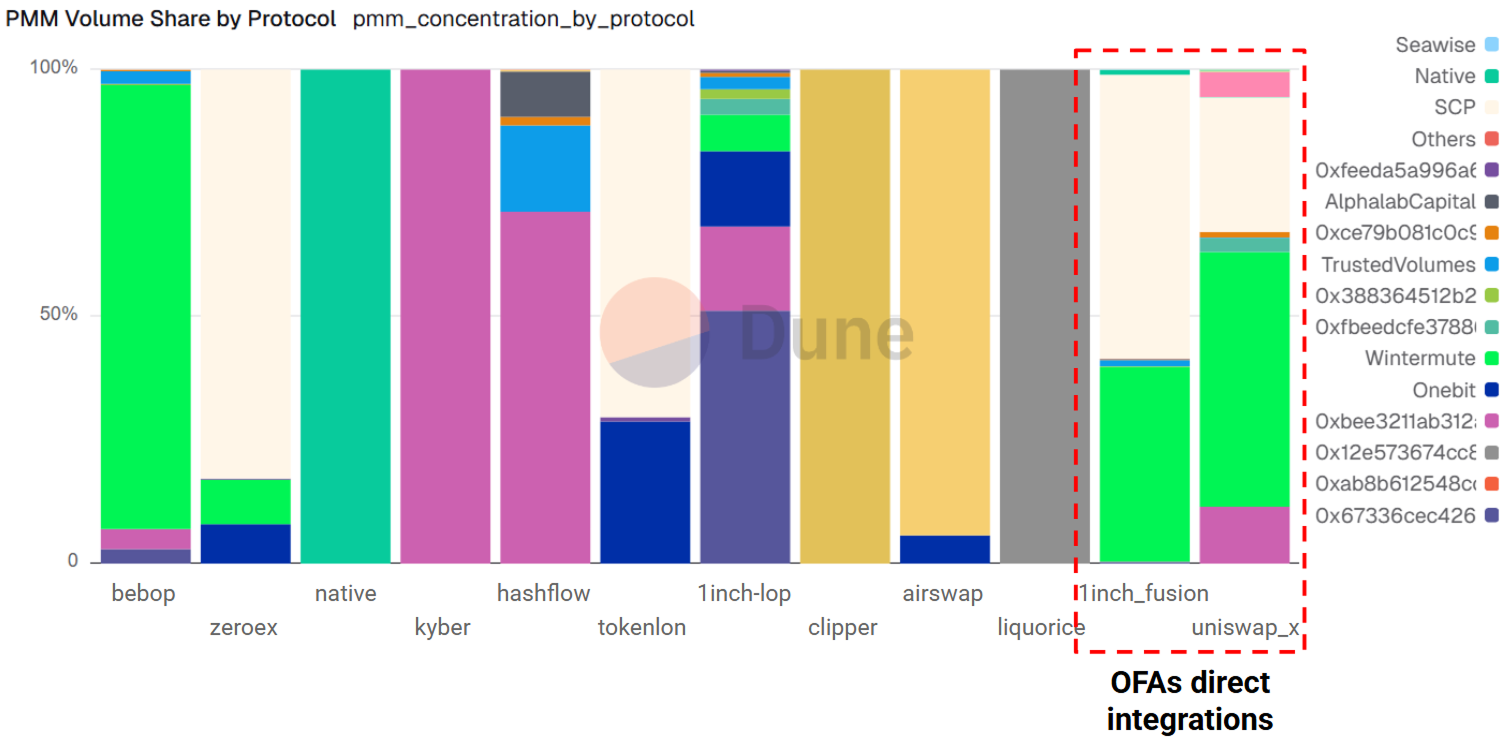 Figure 8. PMM volume dominance by orderflow source over the last three months.
Returning to the overall landscape of PMMs on Ethereum across all venues, let's take a closer look at the structure of fills. We have already mentioned that the average swap volume through PMMs is significantly higher than through traditional DEXs, but it is still important to examine how fills are distributed in terms of size. In September 2025, swaps over $100k accounted for 83.6% of the total trading volume, significantly increasing their share over the past two years, with swaps over $1m accounting for 14.5%. At the same time, they account for only 8.4% of all trades, with swaps under $10k predominating. Interestingly, 26.2% of all trades are less than $100, which is probably due to the low gas cost of swaps through PMM liquidity owing to the fact that the exchange rate is calculated off-chain, in contrast to traditional and increasingly complex DEXs.
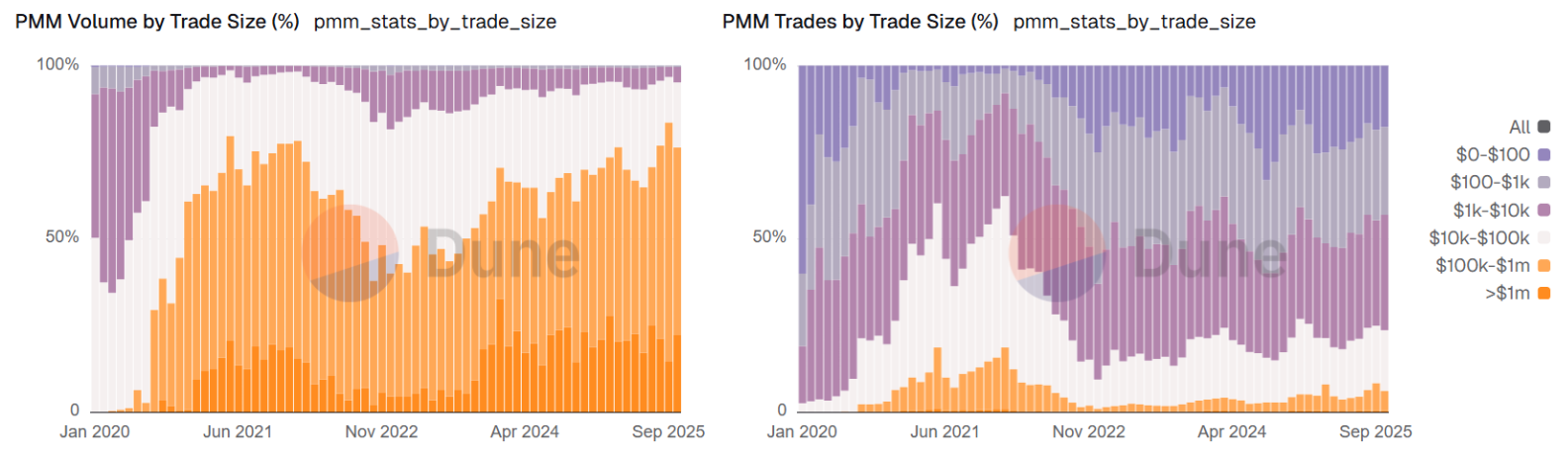 Figure 9. PMM volume (left) and PMM trades number by fill size.
As for the pairs traded by PMMs, historically, the largest share of volume has been accounted for by (W)ETH/stablecoin pairs, with WETH/USDC and WETH/USDT strongly prevailing. This dominance demonstrates the efficiency of off-chain pricing for assets with price discovery occurring primarily on external venues such as CEXs, even against deep on-chain pools. Despite the growth in absolute volume, from 2022 onwards, the share of (W)ETH/stable pairs decreased from 61.4% to 21.8%, overtaken by stable-to-stable pairs, which in September 2025 accounted for 55.7% of the total volume. The remaining pairs, depending on the analyzed period, mainly include pairs with WBTC or blue-chip altcoins.
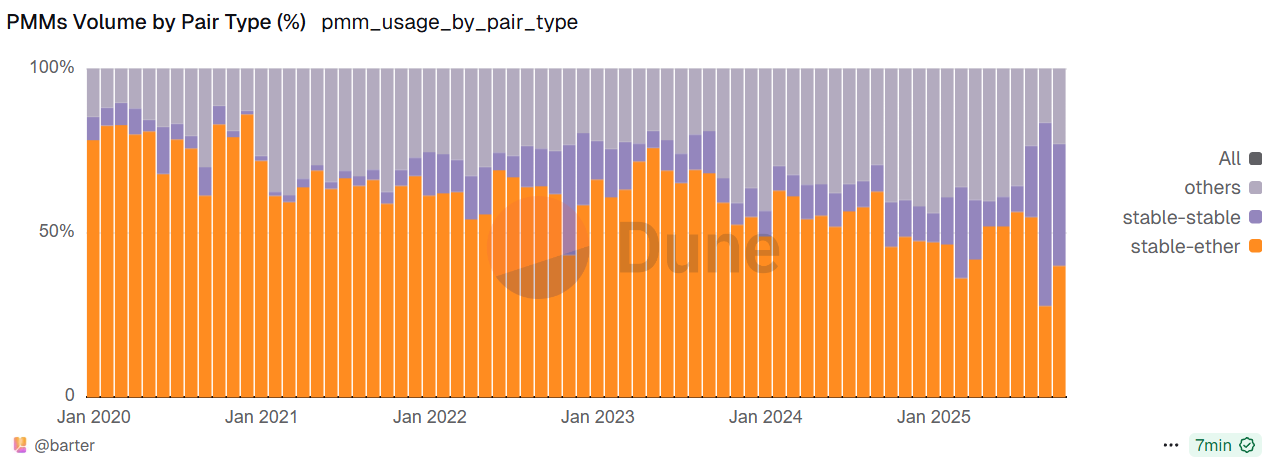 Figure 10. PMM volume by trading pair group.
Digging deeper into the most traded pairs over the last 3 months, it's clear that USDC/USDT—the most traded PMM pair with $10b in volume—has a really high average swap volume ($339k for Wintermute), with all the volume basically concentrated at Wintermute, Native, and 0xbee…000. This indicates that for extremely large swaps, even for pairs where liquidity concentration works extremely effectively, the price impact on traditional DEXs is still too high. Overall, Wintermute is dominating most major pairs, except for USDe/USDT, where it's totally losing to Native. There is also an edge for SCP on volatile pairs involving WETH and WBTC, with WETH/stable dominating. Onebit is also noteworthy, as despite having a small share of the total volume and a small number of transactions, it demonstrates a very high average volume on the WETH/USDT and WETH/DAI pairs.
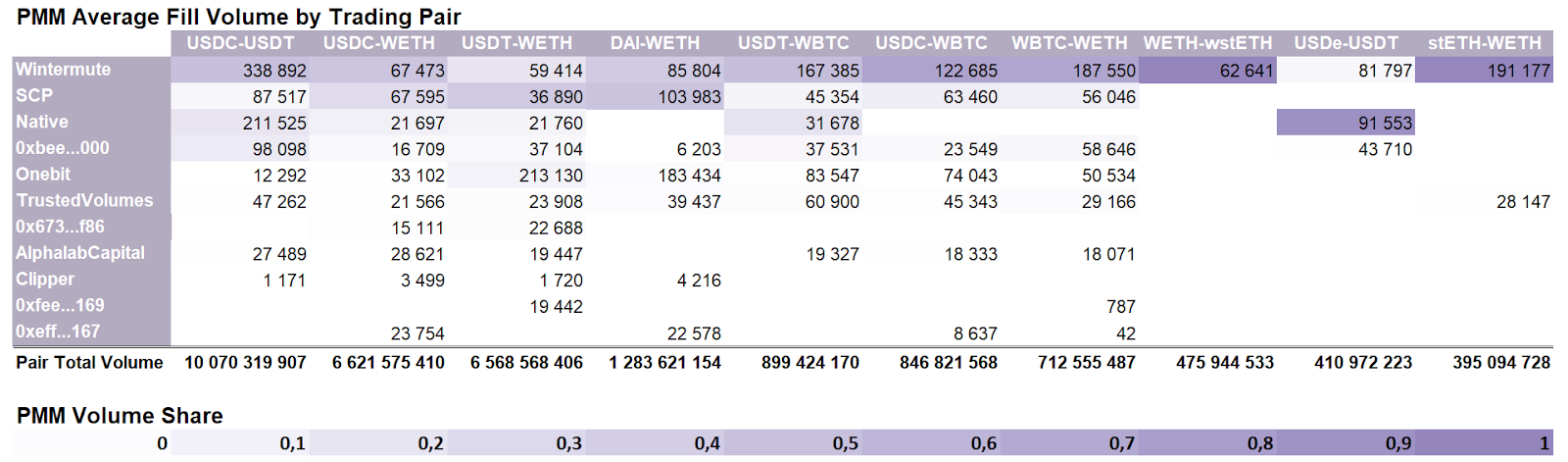 Figure 11. PMM average fill volume (numerical scale) and volume share (color scale) by trading pair and market maker over the last three months.
In concluding the review of PMMs as independent liquidity sources alternative to AMMs, let us consider their reliability during periods of extreme volatility. The most important feature of AMMs is their complete autonomy, regardless of market conditions, which is vital for the entire DeFi ecosystem, acting as a kind of “emergency hatch” in terms of liquidity and supporting timely liquidations, for example, on lending protocols. PMMs, on the other hand, are managed by off-chain market makers and can be disabled at any time in the event of loss-making or excess riskiness of current market conditions. Thus, during the cascade of liquidations that happened on 10th October 2025, some of the largest prop AMMs on Solana did not ensure any trades. Surprisingly, looking at the fills of the four largest PMMs produced through RFQs or OFAs, it is clear that in both cases, all four of the largest market makers operated consistently throughout the entire period (in the case of OFAs, smaller PMMs may not be visible due to the predominance of Wintermute and SCP). When looking at minute time intervals, there are also no visible abnormal periods, which indicates sufficient resilience of PMMs, albeit fundamentally inferior to AMMs.
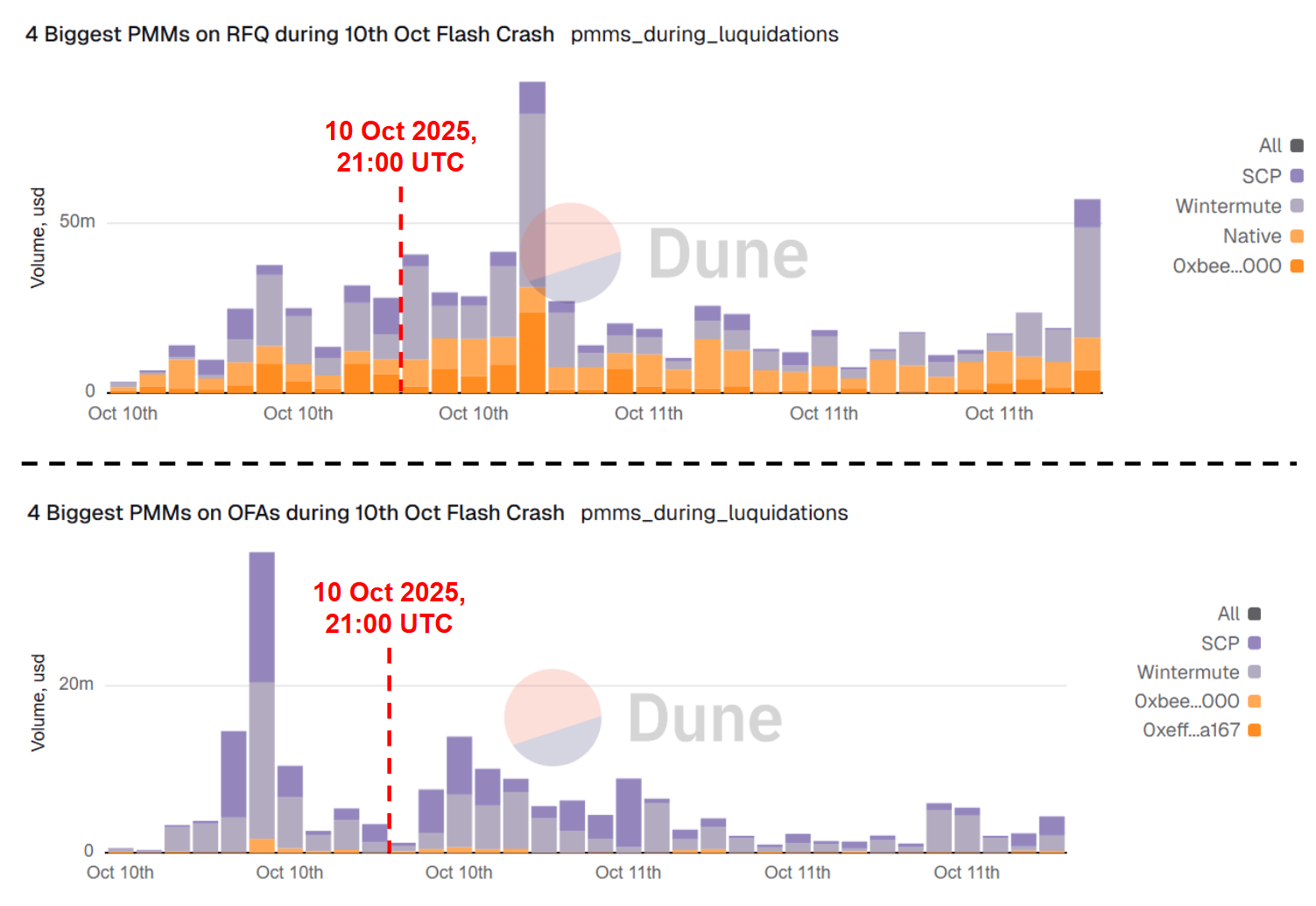 Figure 12. Four largest PMMs’ volume during the October 10th market crash on RFQ venues (at the top) and direct integrations (at the bottom).
Interaction of DEX Routers with PMMs on Ethereum
As mentioned previously, PMMs typically do not have their own user interface, attracting most of their trading volume from DEX routers and direct integrations with intent protocols, as clearly shown on the chart. The majority of transactions and volume come from routers (89.2% and 91.1% in September 2025, respectively). Therefore, the interaction of various trading engines with market maker liquidity will be discussed in detail below.
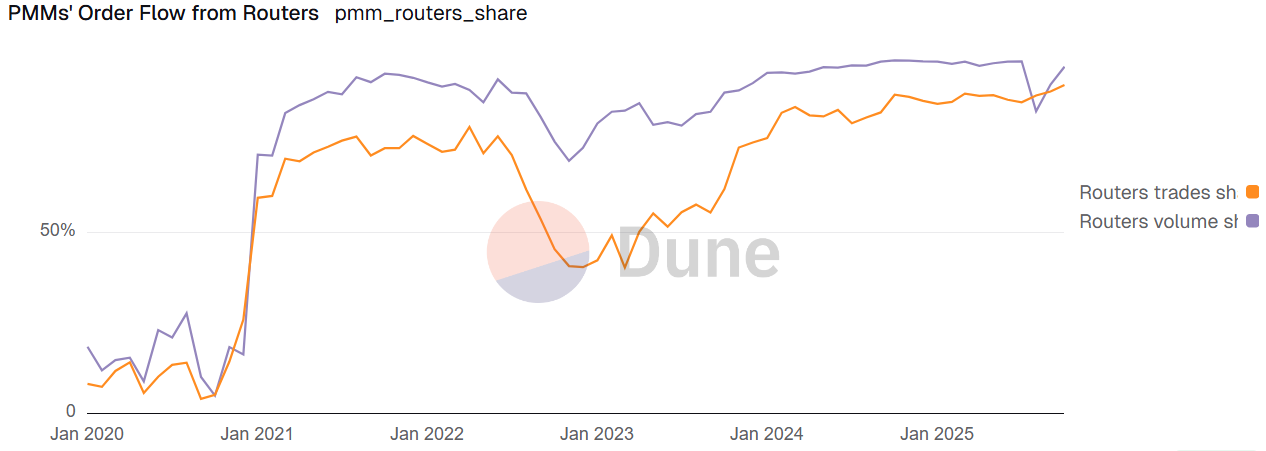 Figure 13. DEX routers share of PMM number of trades (orange line) and volume (purple line).
PMMs account for a substantially larger share of liquidity used by aggregators compared to 11.6% of the entire DEX trading volume on Ethereum . Over the past two years, their share of the total volume generated by routers has been in the range of 20% to 25%, making them an important source of liquidity. In September 2025, approximately every eighth routers' transactions tapped into market makers' liquidity. If we consider swaps through aggregators with a volume above $100k, over the past two years, 58% to 80% of all such trades were filled using private liquidity.
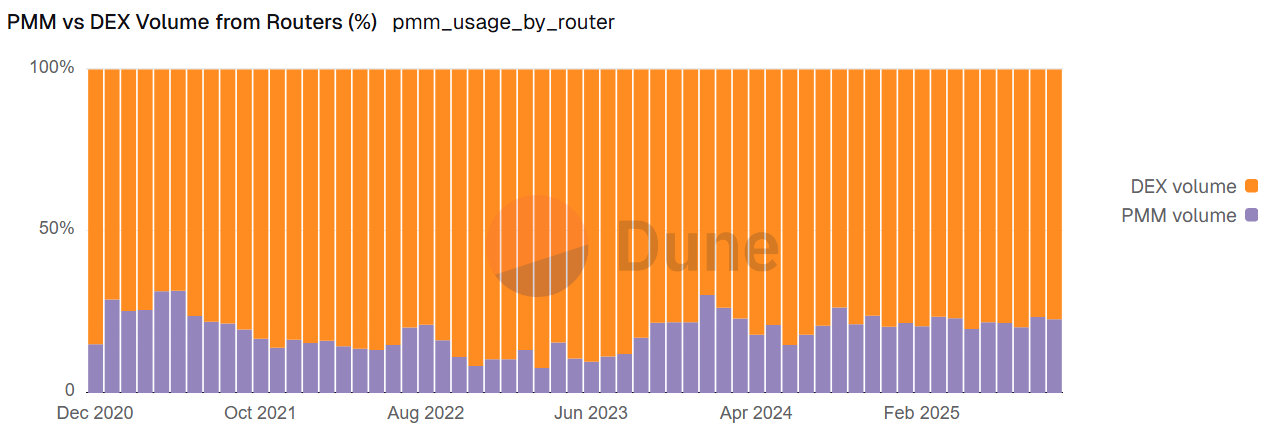 Figure 14. Monthly aggregators’ DEX volume share by liquidity type.
Let's take a closer look at specific routers that use PMM liquidity the most. Private liquidity began to be actively used in January 2021, when the volume through it from aggregators grew from $400m to $3.1b in a month. During 2021 and 2022, PMMs were most actively used by Tokenlon, 0x, 1inch, and Paraswap, with the former three prevailing. However, after the 2023 bear market, the landscape changed dramatically. Starting in October 2023, Rizzolver, a solver run by Wintermute that directly uses its liquidity, became the dominant source of orderflow. At the same time, intent-based OFAs such as CoWSwap, UniswapX, and 1inch Fusion became the most important sources of volume, pushing the protocols of the previous cycle into the background. The total volume forwarded by routers grew from $1.8n in October 2023 to its peak of $12.9b in September 2025. KyberSwap and OKX also got active in using market maker liquidity, both with $1.1b in volume in September.
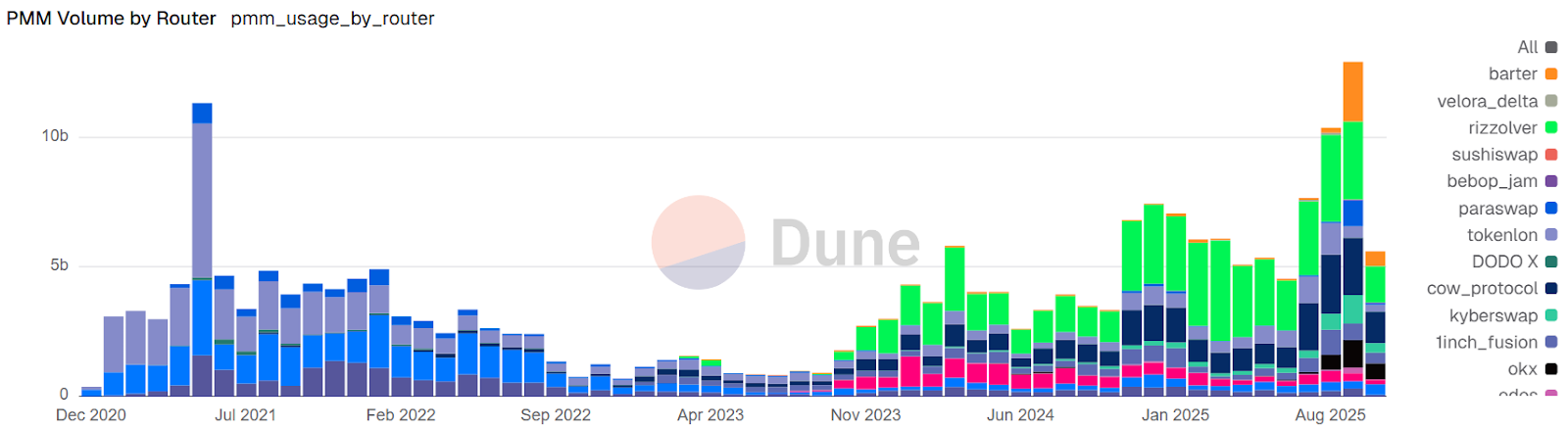 Figure 15. Monthly volume routed through PMMs by router or protocol.
As can be seen from the stats above, different routers and aggregators rely on PMM liquidity to varying degrees. Older routers are not really compatible with modern RFQ DEXs, so PMM liquidity accounts for less than 5% of swaps through regular DEXs at Odos and 1inch, and less than 10% in the case of Paraswap, KyberSwap, and 0x. At the same time, new routers use this liquidity much more often, accounting for 21.7% and 23.8% of the total volume for OKX and Barter, respectively. The cluster of Intent-based DEXs is clearly visible, which rely heavily on off-chain liquidity while simultaneously being the largest providers of orderflow for PMMs. Thus, 39.7% of CoWSwap's volume is filled with PMM liquidity, while Uniswap X's share reaches 77.2%, exceeding the 66.3% of Tokenlon, originally designed as PMM-native DEX.
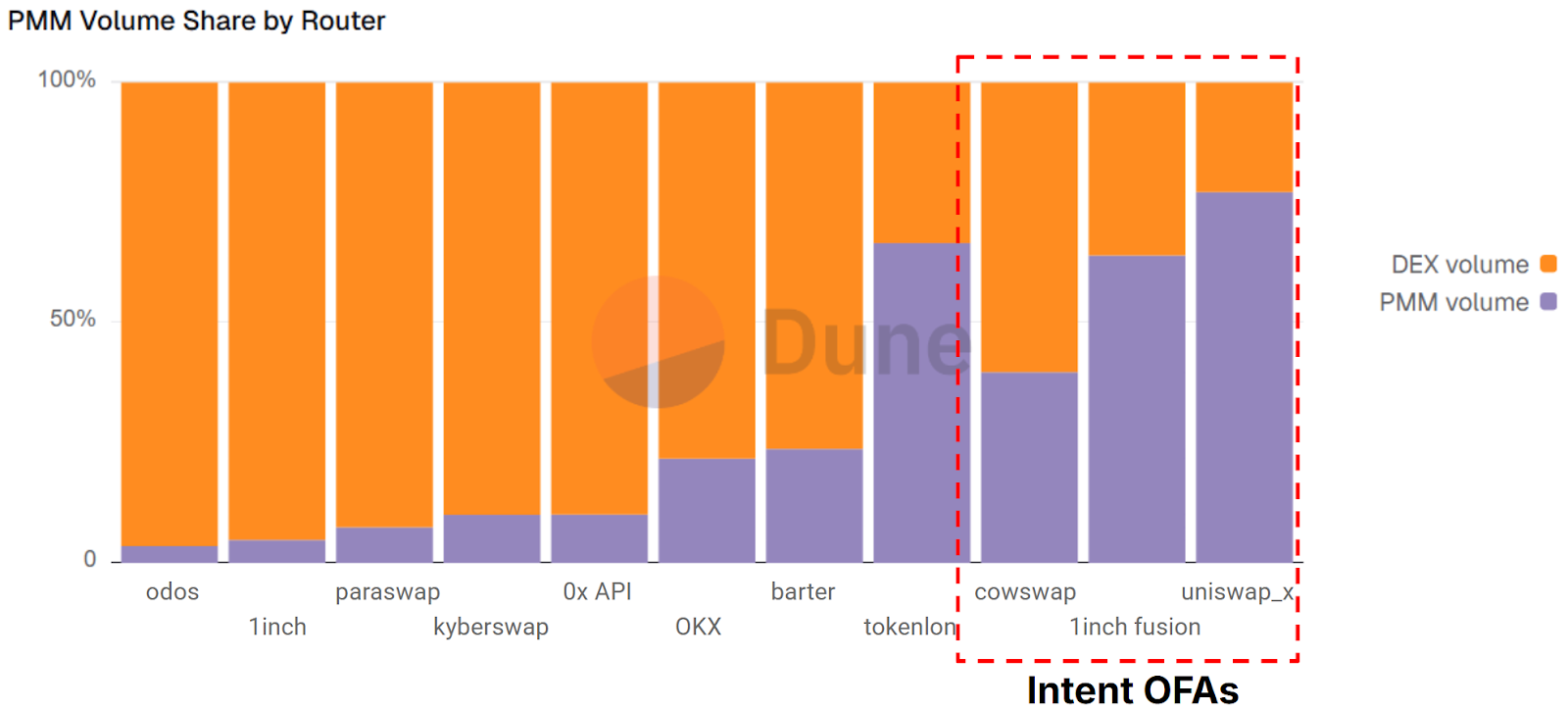 Figure 16. PMM volume share of liquidity used by router or protocol over the last three months.
PMM volume share also varies significantly by pair type for each router. Generally, it is clear that among routers actively using PMM liquidity, the largest share is achieved in (W)ETH/stable pairs — from 26.9% at Barter to 84.3% at Tokenlon. At the same time, 95.3% of all fills (W)ETH/Stable on 1inch Fusion are filled by market makers. This demonstrates the advantage of active liquidity rebalancing by market makers around the reference price over AMMs, which despite having deep liquidity in WETH/stable pairs, cannot concentrate it narrowly and effectively around the current price due to the risk of falling out of position and the high cost of continuous rebalancing. For stable swaps among individual routers, Barter uses PMM liquidity the most, with a share of 28.3%.
 Figure 17. PMM volume share of liquidity used by router or protocol by trading pair type over the last three months.
It is also worth considering how routers interact with specific RFQs and limit order protocols. Bebop, Native, and Hashflow are the most widely integrated—all three RFQs are used by all routers except OKX, Kyber, and Tokenlon. The specific ratios between RFQs may depend on the average volume of the router and edge on specific types of pairs. OKX uses only Native, Kyber utilizes its proprietary RFQ exclusively, while Tokenlon employs its own and 0x's liquidity. The 0x router and 1inch also rely heavily on the use of their own protocols, especially on small trades, which is likely caused by the high gas efficiency of such protocols compared to classic DEXs.
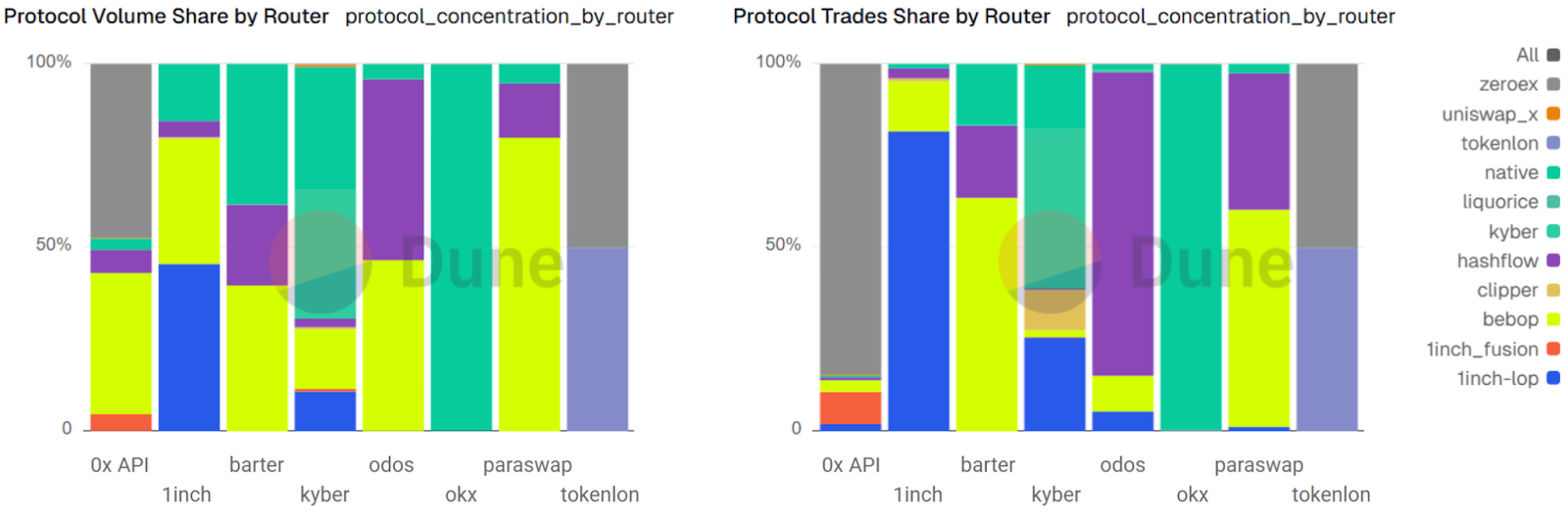 Figure 18. PMM volume share (left) and number of trades share (right) of liquidity used by router over the last three months.
The Sankey diagram below shows the distribution of PMM volume from routers, solvers, and aggregators to end providers of private liquidity, through various intermediate protocols. The importance of direct integrations, such as Rizzolver for Wintermute and PLM or Unspecified for SCP, which bring market makers most of the volume, is clearly visible. At the same time, both Wintermute and SCP fill orders differently depending on the specific intent DEX. For example, on CoWSwap, Rizzolver taps into Wintermute's liquidity via the Bebop interface, and SCP via 0x, while on 1inch Fusion and Uniswap X, both market makers use liquidity from contracts directly through a permit function, bypassing the RFQ layer.
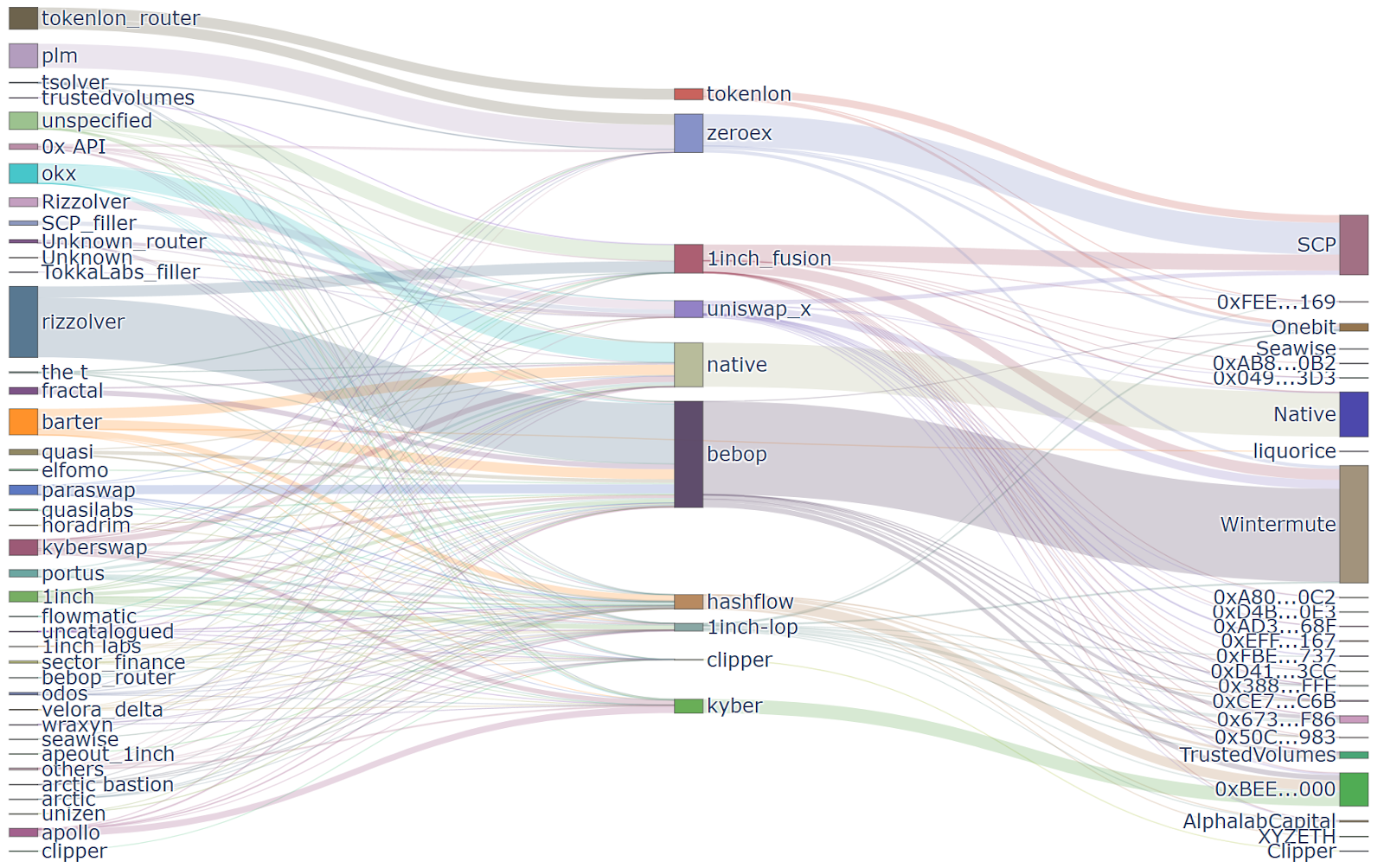 Figure 19. PMM volume sankey by router, protocol and market maker over the last three month.
Private Liquidity Thesis
Intent-based OFAs have shown massive growth in volume compared to traditional DEX aggregators over the past few years, peaking at a 45.5% share of volume in March 2025. Since its peak in March, the share of intent volume has settled above 30%, with CoWSwap consistently being the largest DEX aggregator on Ethereum. This rapid growth was driven by better exchange rates compared to traditional aggregators. The reason for the better rates lies in the principles of intent DEXs, namely in auction systems that allow multiple solvers to provide exchange rates and then select the best of the proposed solutions. As mentioned many times before, this system allowed professional market makers to interact with order flow directly, rather than relying on RFQs or limit orders, filling user orders on their own. This led to a significantly higher share of private liquidity on intent DEXs compared to legacy aggregators, which can be seen on charts above. The participation of PMMs made it possible to achieve prices that were not available on-chain, while providing execution completely protected from any form of MEV and shredding gas costs by calculating rates off-chain.
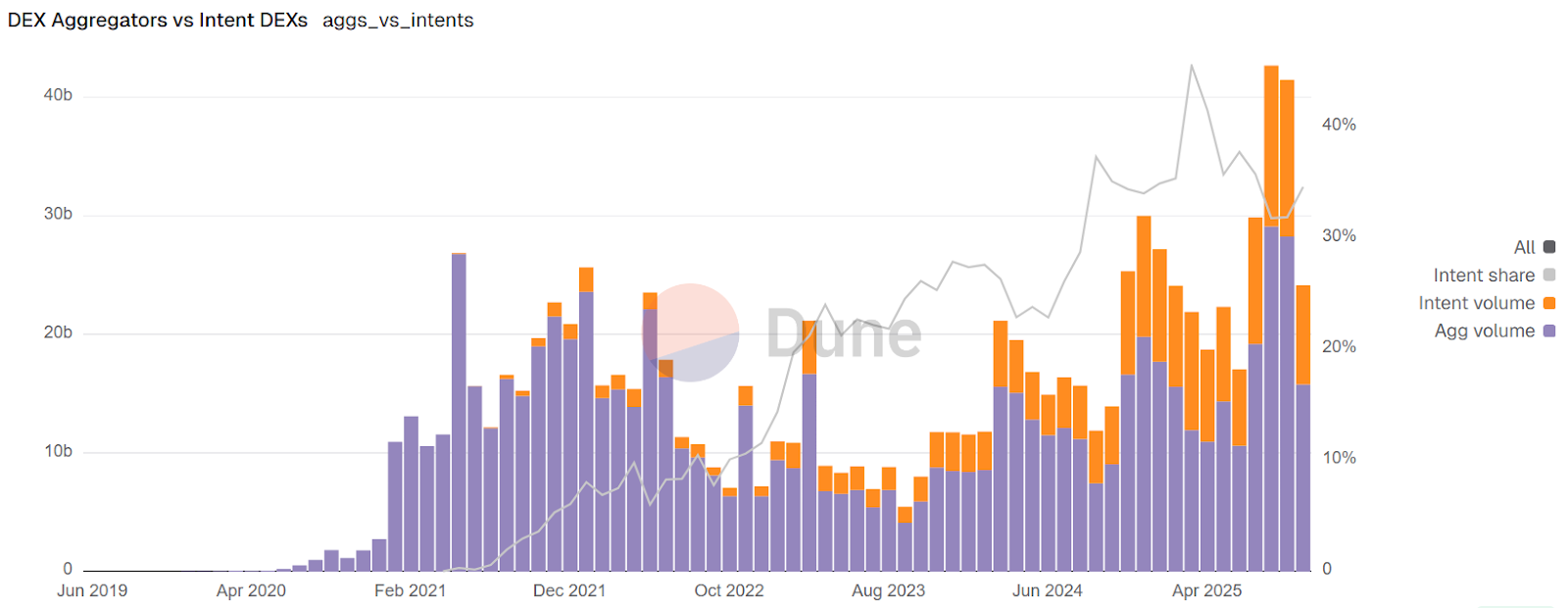 Figure 20. Monthly volume by aggregator type and intent DEXs volume share (gray line).
Without a doubt, PMM liquidity is not a universal remedy and ensures the best rate for the user only in some cases. However, this is fully compensated by the presence of solvers that rely primarily upon on-chain liquidity, such as Barter. Thus, the example of intent DEXs illustrates the enormous advantage of pairing a DEX router with private liquidity, yet separating these two parts between different entities.
However, amid fierce competition among routers, forcing margins to zero, the growing impact of off-chain liquidity, and the emergence of meta-aggregators, which significantly complicate aggregators' ability to retain their own user base, we are seeing the emergence of a new generation of routers 2.0 with their own exclusive or private liquidity venues. A notable example is KyberSwap, which since September 2023 has been using its own private RFQ, with liquidity provided exclusively by a single market maker, 0xbee...000, and previously 0x807...d38. In August 2025, KyberSwap publicly announced Fair Flow – the Uniswap V4 hooks that allow only KyberSwap to utilize the pool's liquidity. This design has a number of advantages for all market participants: the router receives exclusive and predictable liquidity, which cannot be frontrun, while users' liquidity is protected from toxic flow, as MEV bots cannot use it. The total share of private liquidity out of all liquidity used by the Kyber router has grown over the past six months, reaching 21.8% in October 2025, taking into account the use of external PMMs.
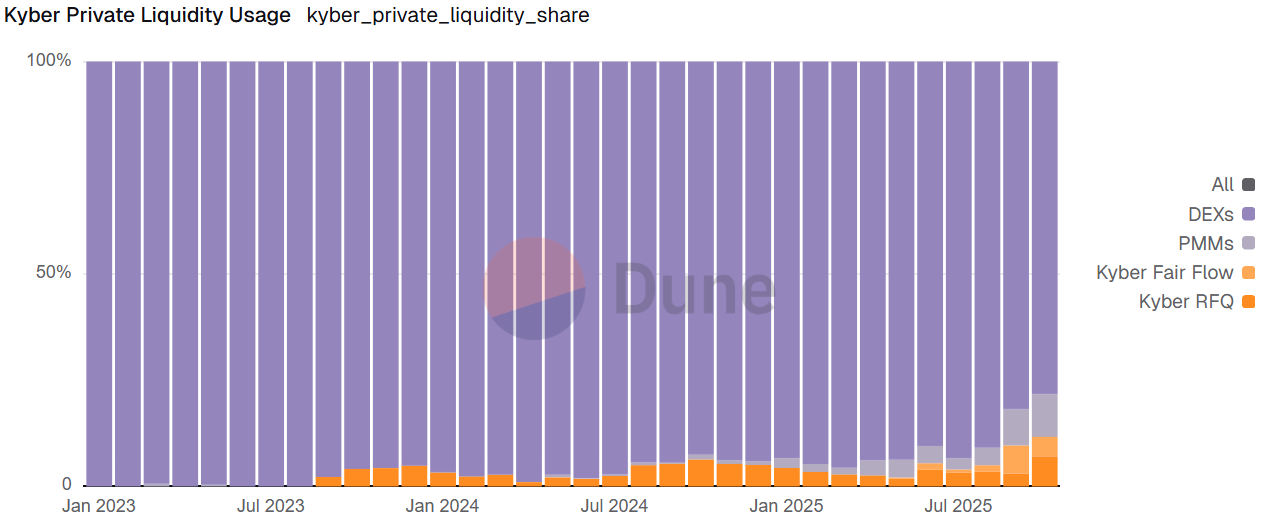 Figure 21. KyberSwap router liquidity usage by liquidity source.
We expect the share of private liquidity to grow significantly on Ethereum, with more and more routers adopting this model and creating router-native liquidity. At the same time, with proper allocation, it is not necessary for the majority of liquidity to be private for a router to dominate — the amount of $5m to $10m will be sufficient to conquer a significant chunk of the orderflow. Barter has announced Superposition, which allows highly flexible off-chain rate calculations, while enabling regular users to provide liquidity directly from their wallets, acting as market makers. Superposition will become a private liquidity layer for Barter. As an alternative scenario that absolves routers from cumbersome liquidity bootstrapping, closer cooperation between routers and PMMs may emerge, eliminating the barrier between the routing algorithm and professional liquidity.
